Similar Posts
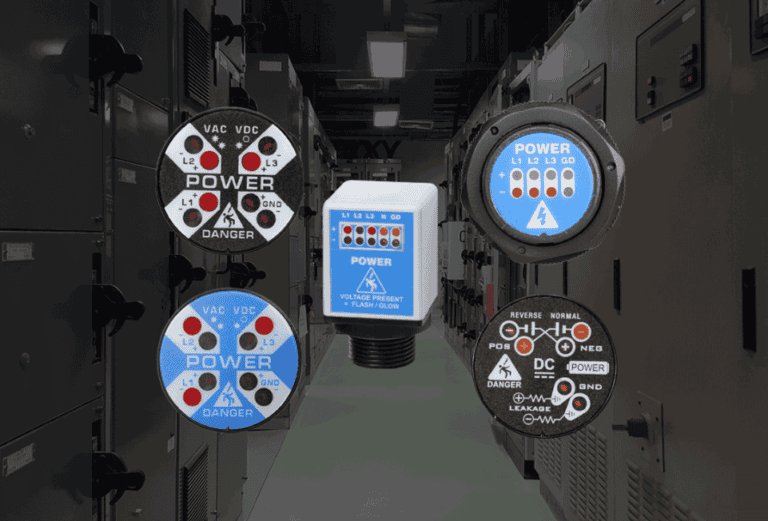
Recommended Reading: Voltage Presence Verification vs. Absence of Voltage Testing in LOTO
This is an excerpt from a recent educational article by Grace Technologies: Voltage presence verification is the initial step in LOTO procedures, crucial for identifying live circuits before maintenance. This process involves confirming the existence of electrical energy, and ensuring that workers are aware of potential hazards. The use of PESDs like R-3W Series voltage…
Recommended Reading: A Guide to Understanding NIS2 for OT Cybersecurity
This is an excerpt from a recent educational article by Rockwell Automation: NIS2 recommends a risk-based approach, which aligns with best security practices for IT and OT. To understand risk, industrial organizations first need to understand the vulnerabilities in their environment and what those represent in terms of criticality to the organization. This knowledge will…
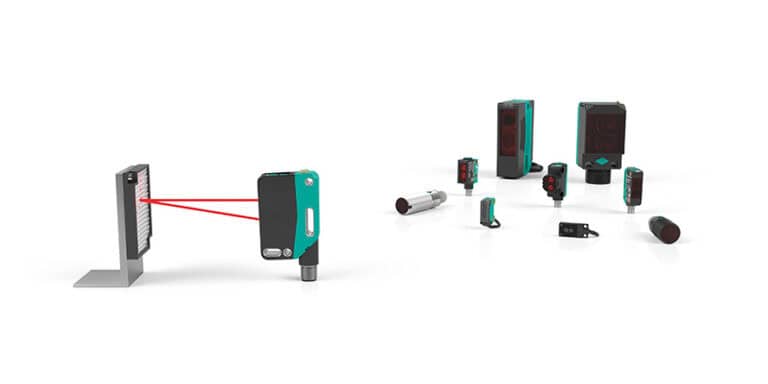
Recommended Reading: Frequently Asked Questions about Retroreflective Sensors and Reflectors
This is an excerpt from a recent educational article by Pepperl+Fuchs: Retroreflective sensors from Pepperl+Fuchs are available in different versions—from models with polarization filters to sensors for detecting transparent objects to variants with foreground suppression and area sensor versions. Typical retroreflective sensors offer a larger detection range compared to diffuse mode sensors. An object is…
Recommended Reading: IoT and Digital Twin – Explaining the Connection
This is an excerpt from a recent educational article by PTC: The Internet of Things (IoT) and digital twins have changed the ways digital and physical worlds interact. IoT provides a connection to information in the physical world, through scanners, chips, and smart connected products. While this is impressive on its own, interlinked with digital twins, which are virtual…
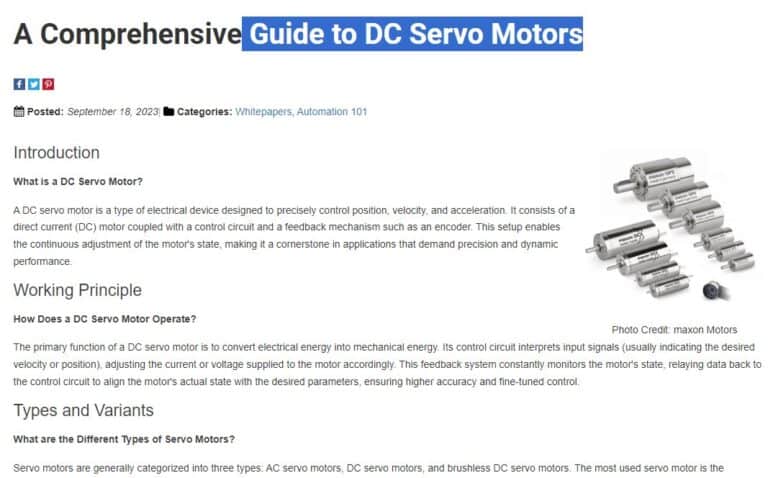
Recommended Reading: Guide To DC Servos
Educational Article Of Interest: Guide To DC Servos To read the complete article, click here. Sincerely, Shawn Tierney, Instruction at The Automation School
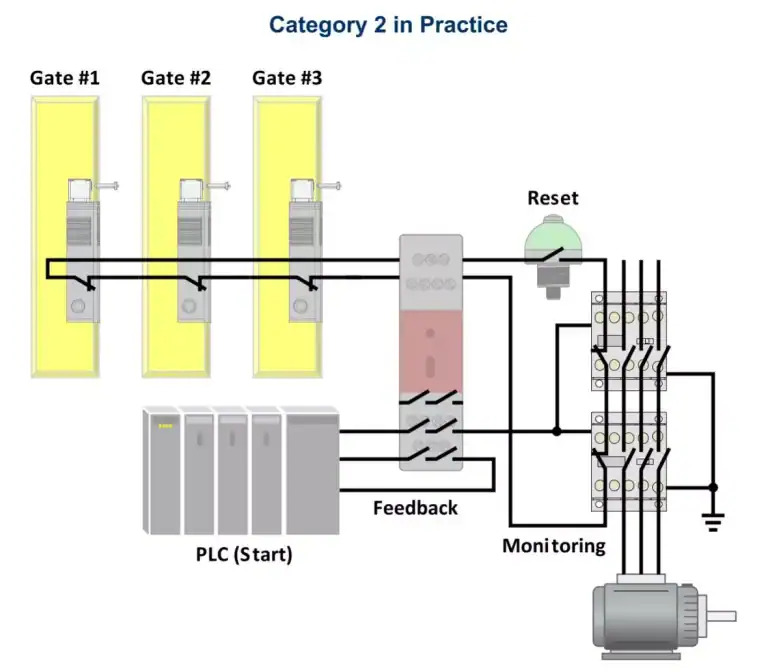
Recommended Reading: Selecting the Right Safety Category Level for Interlock Switches
This is an excerpt from a recent educational article by Banner: In safety standards, the term “category” is commonly used to specify a particular level of reliability. ISO 13849, which deals with the safety of machinery and its control systems, defines “category” as the classification of the safety-related parts of a control system based on…