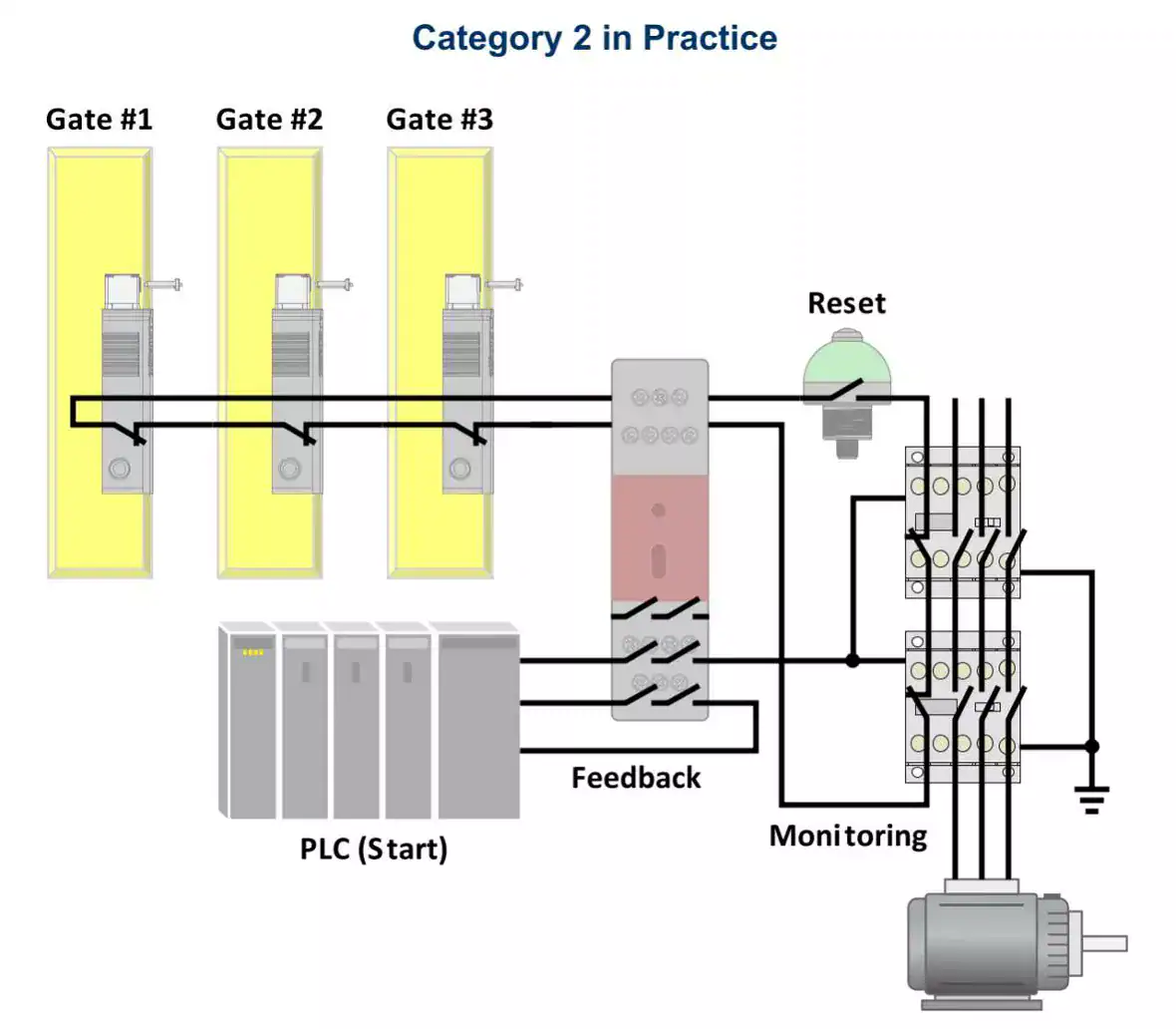
 In safety standards, the term “category” is commonly used to specify a particular level of reliability. ISO 13849, which deals with the safety of machinery and its control systems, defines “category” as the classification of the safety-related parts of a control system based on their ability to resist faults and their behavior when faults occur. In essence, a category explains how a safety circuit is wired, how it detects faults, and how it responds to them. There are five categories: B, 1, 2, 3, and 4. These represent a range from least to most reliable in maintaining safety in case of a fault.
Similar Posts
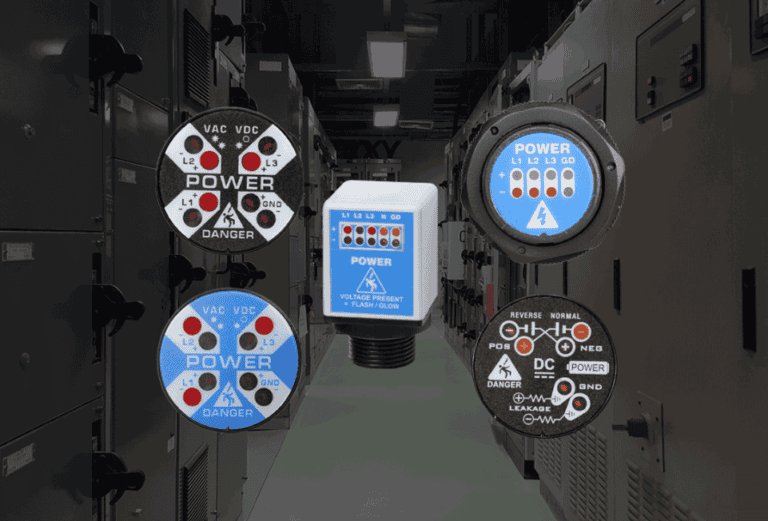
Recommended Reading: Voltage Presence Verification vs. Absence of Voltage Testing in LOTO
This is an excerpt from a recent educational article by Grace Technologies: Voltage presence verification is the initial step in LOTO procedures, crucial for identifying live circuits before maintenance. This process involves confirming the existence of electrical energy, and ensuring that workers are aware of potential hazards. The use of PESDs like R-3W Series voltage…
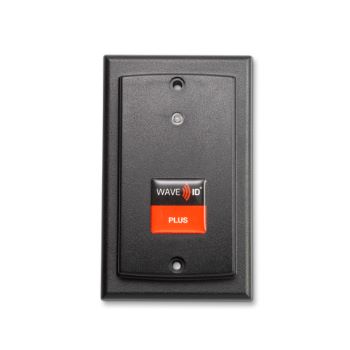
Recommended Reading: The Ultimate Guide to HMI Security: What Manufacturers Need to Know
This is an excerpt from a recent educational article by rf Ideas: When not secured, HMIs can become vulnerable points of entry for bad actors, potentially leading to unauthorized access and disruptions in operations. This poses significant risks to employee productivity, data integrity, and worker safety. An HMI is a technology or system that serves…
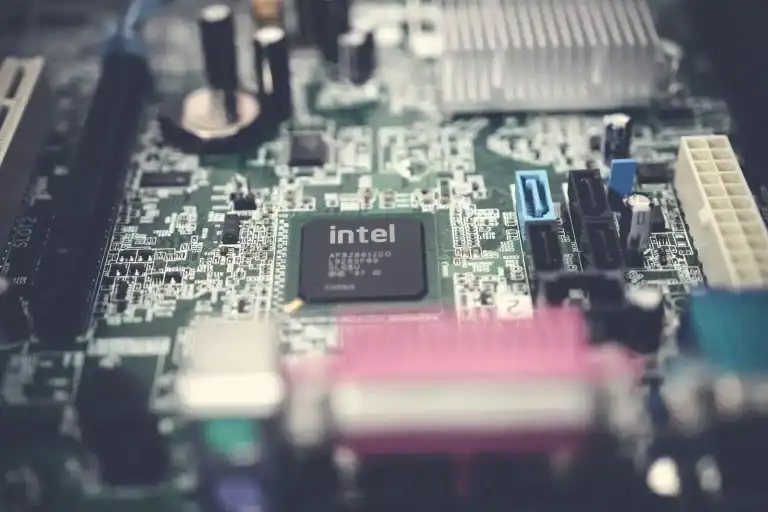
Recommended Reading: Meteor Lake – Redefining Intel Architecture
This is an excerpt from a recent educational article by Global American: The brand-new Meteor Lake from Intel architecture is already making waves, as it is quite a leap from the company’s current paradigm. But what makes it so different? For the most part, Intel’s basic processor architecture has remained the same over the decades….
Recommended Reading: What Does Root Cause Analysis Really Mean?
This is an excerpt from a recent educational article by exida: The IEC61511 standard requires that any failures that occur within the Safety InstrumentedSystem (SIS) are investigated. The reason for this is that we need to understand whether the failure was dangerous or safe, and whether the failure was random or systematic. This is important for several…
Recommended Reading: Selecting the Right Safety Controller
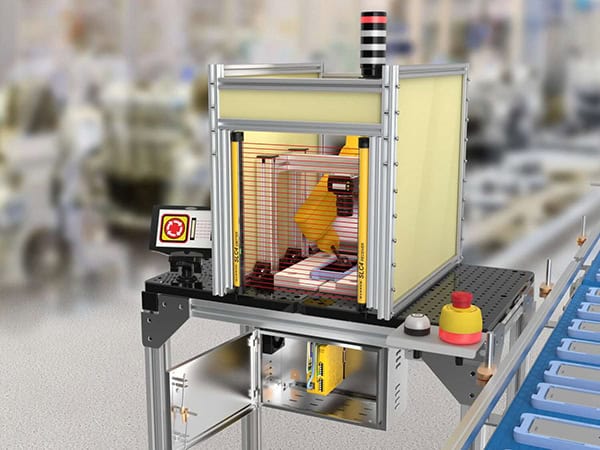
This is an excerpt from a recent educational article by DigiKey: This article briefly reviews the international safety standards and their applicability. It also examines the uses of the various communications protocols before digging into use cases ranging from tabletop assembly stations to entire factories for types of safety controllers like fixed function, reconfigurable, and…
Recommended Reading: Four TCP-based Communication Protocols That Are Key to IIoT—Part 3: AMQP
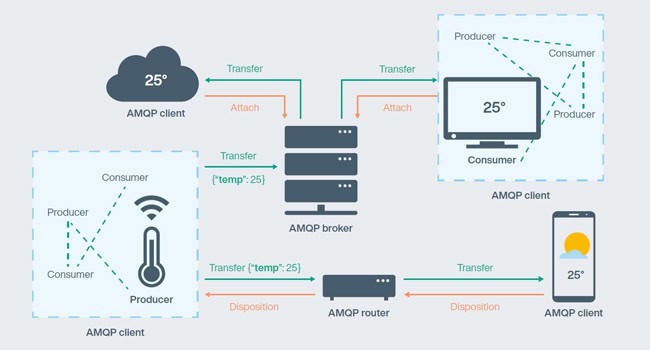
This is an excerpt from a recent educational article by Pepperl+Fuchs: Connectivity across all levels is at the heart of Industry 4.0, IIoT, smart factories, and intelligent devices. The rigid, hierarchical automation pyramids with dividing layers are increasingly being replaced by more comprehensive network structures in which individual nodes are linked and exchange data with…