Similar Posts
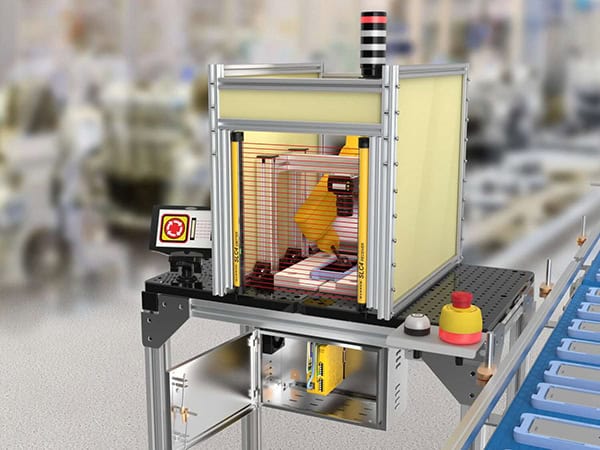
Recommended Reading: Selecting the Right Safety Controller
This is an excerpt from a recent educational article by DigiKey: This article briefly reviews the international safety standards and their applicability. It also examines the uses of the various communications protocols before digging into use cases ranging from tabletop assembly stations to entire factories for types of safety controllers like fixed function, reconfigurable, and…
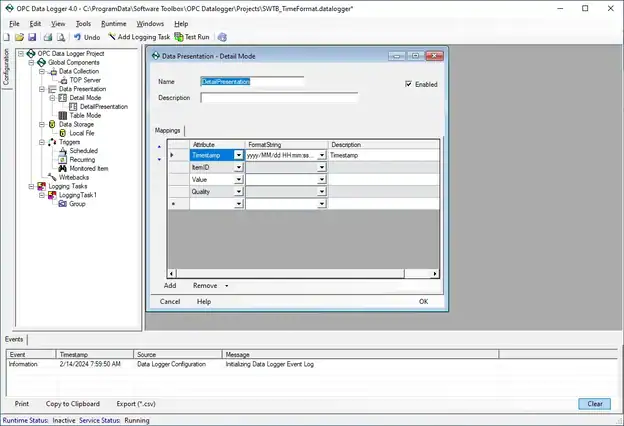
Recommended Reading: Logging OPC Data with Custom Time Formats
This is an excerpt from a recent educational article by Software Toolbox: When logging data to a database or text file, the way that data is presented is essential due to the implications it has for who, or what, is reading this data to make decisions. Without the correct configuration of the data’s timestamps, records…
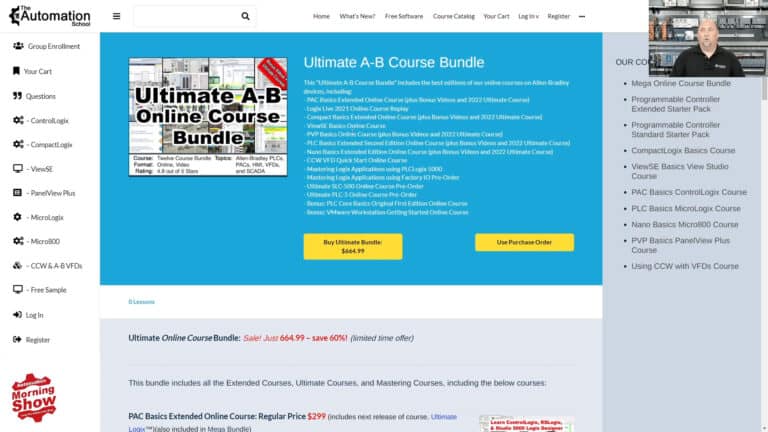
Featured Product: Ultimate A-B Online Course Bundle
Today’s Featured Product: Ultimate A-B Online Course Bundle For complete information about today’s featured product, click here. Sincerely, Shawn Tierney, Instruction at The Automation School
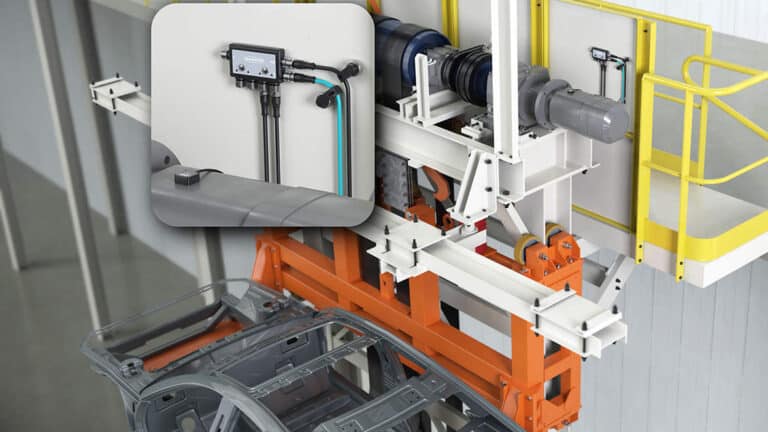
Recommended Reading: Vibration Sensors For Industrial Automation
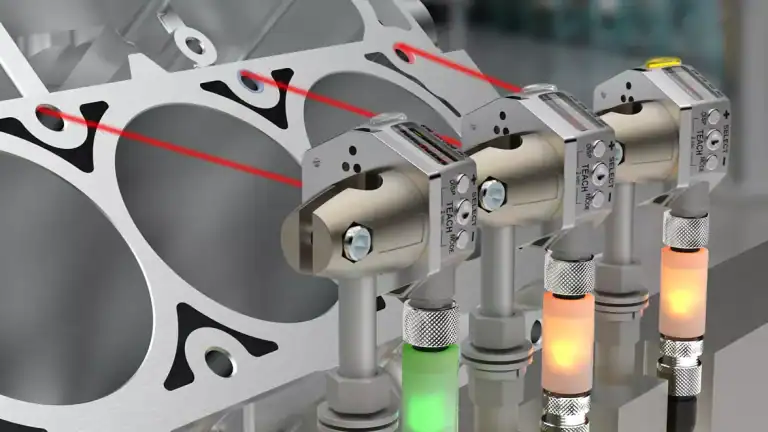
This is an excerpt from a recent educational article by Banner: Vibration sensors are designed to attach to industrial assets, particularly machinery with high-speed rotating components, to monitor the amount and characteristics of their vibration. Specifically, vibration monitoring continuously measures a rotating asset’s root mean square (RMS) velocity, which provides a uniform measure of vibration…
Recommended Reading: PNP Vs NPN: What Makes These Outputs Different
This is an excerpt from a recent educational article by Banner: The difference between PNP and NPN is the construction of the semiconducting material found inside the transistor. In a PNP transistor, the semiconducting material is made of three layers: a negative (N) layer between two positive (P) layers: Positive-Negative-Positive, or PNP. Likewise, an NPN…
Recommended Reading: Knowing the Right Fit for Robotic Automation
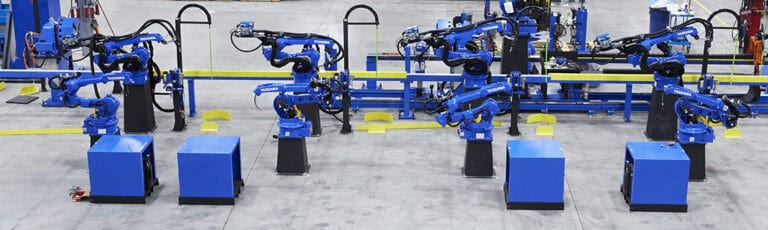
This is an excerpt from a recent educational article by YASKAWA: Design improvements for capability and flexibility, as well as advancements for system tools and processes, are fueling this “robolution,” enabling a wider user group to utilize robotic automation – with new entrants from the consumer goods, electronics, food and beverage, life sciences, pharmaceuticals, and…