Similar Posts
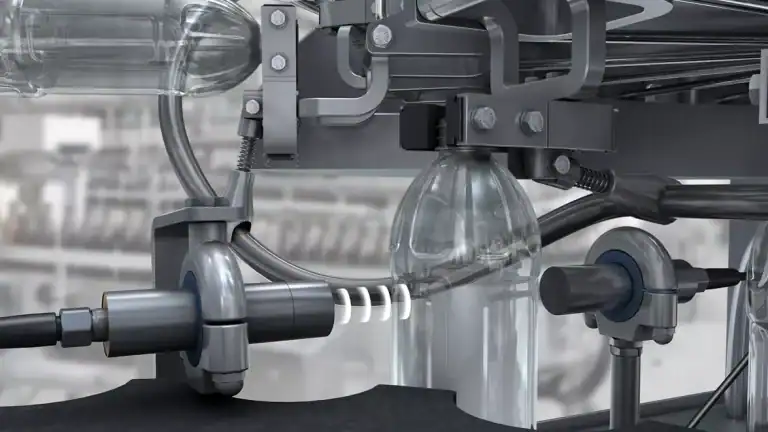
Recommended Reading: Ultrasonic Sensors 101: Answers To Your Frequently Asked Questions
This is an excerpt from a recent educational article by Banner: Ultrasonic sensors are devices that generate ultra-high-frequency sound waves greater than 20 kHz, beyond the range of human hearing. They use electrical energy and a ceramic transducer, which both transmits and receives sound waves. Sound waves are essentially pressure waves that travel through solids,…
Recommended Reading: What is a Supercapacitor?
Educational Article Of Interest: What is a Supercapacitor? To read the complete article, click here. Sincerely, Shawn Tierney, Instruction at The Automation School
What’s New In School for September 14, 2023
What’s New In School for September 14, 2023 To see all the recommended reading articles, click here. To see all the featured product spotlights, click here. Sincerely, Shawn Tierney, Instruction at The Automation School
Recommended Reading: What is SECS/GEM
Educational Article Of Interest: The purpose of SECS/GEM To read the complete article, click here. Sincerely, Shawn Tierney, Instruction at The Automation School
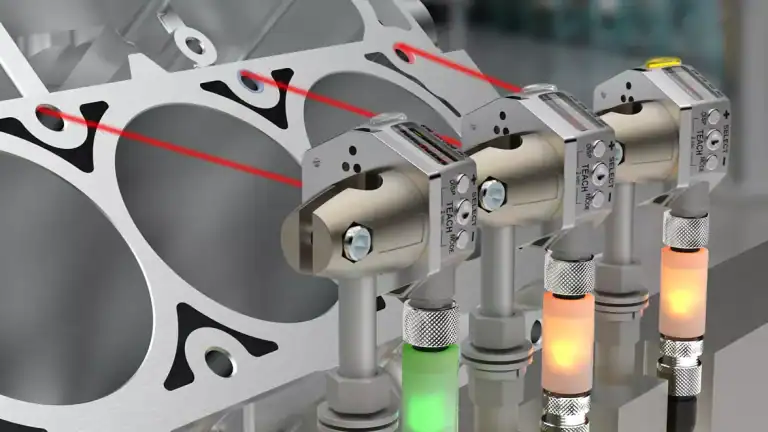
Recommended Reading: PNP Vs NPN: What Makes These Outputs Different
This is an excerpt from a recent educational article by Banner: The difference between PNP and NPN is the construction of the semiconducting material found inside the transistor. In a PNP transistor, the semiconducting material is made of three layers: a negative (N) layer between two positive (P) layers: Positive-Negative-Positive, or PNP. Likewise, an NPN…